Depreciation shelters cash flow
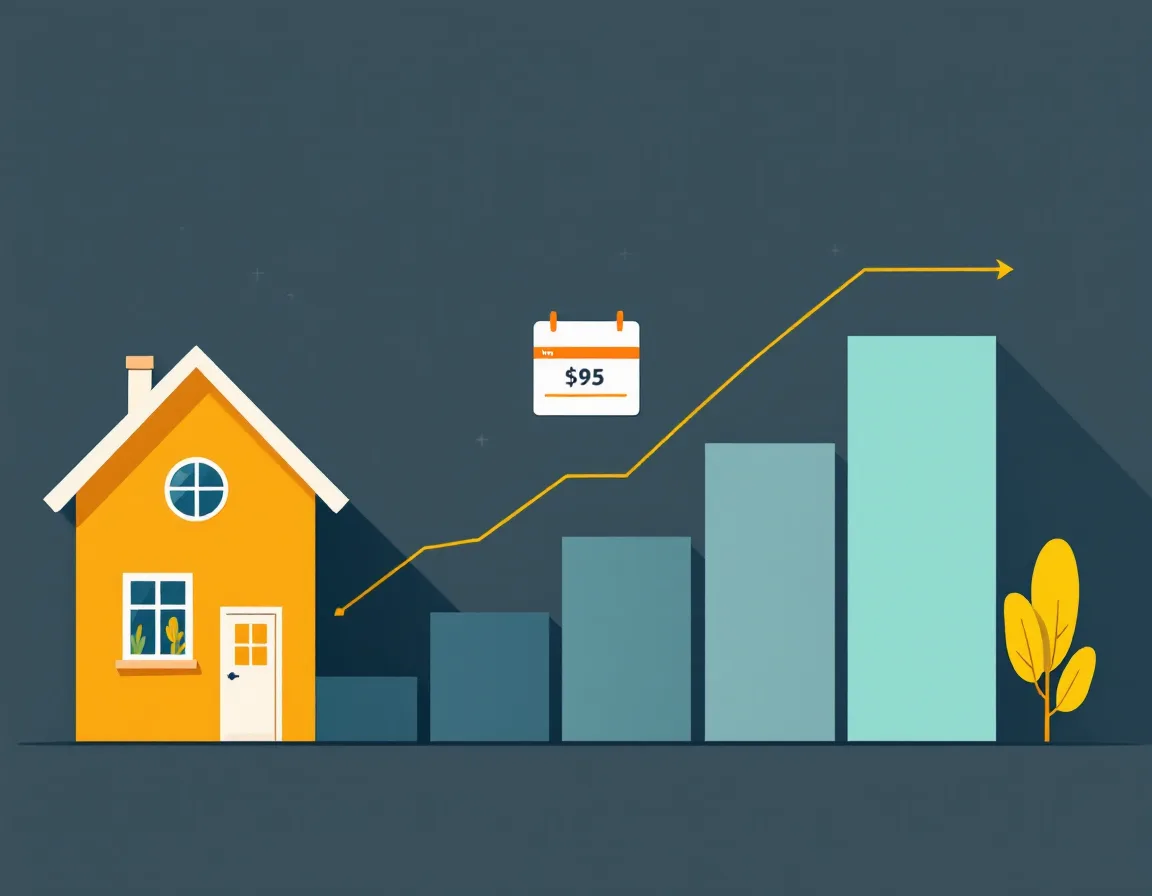
The signature benefit is depreciation — a non-cash deduction that lets you write off the building over 27.5 years (residential). It often shelters much or all of your positive cash flow, so you collect rent while reporting little or no taxable income.
Deductible expenses
Nearly every cost of operating a rental is deductible: mortgage interest, property tax, insurance, repairs, management, travel, and professional fees. A cost segregation study can accelerate depreciation further by reclassifying parts of the building into short-life assets.
Deferral and favorable rates
When you sell, a 1031 exchange can defer the tax by rolling into another property. If you do sell and pay, long-held gains are taxed at lower long-term capital gains rates — though the depreciation portion faces recapture at up to 25%.
Frequently asked questions
What is the biggest rental tax benefit?
Depreciation, because it shelters cash flow with a deduction that costs you nothing out of pocket.
Can I defer tax when I sell?
Yes, a 1031 exchange defers capital gains and recapture if you reinvest in like-kind property within the deadlines.
Are rental profits taxed at capital gains rates?
Ongoing rental income is taxed at ordinary rates; only the gain on sale of a long-held property gets long-term capital gains rates.
Sources
- IRS — Like-Kind Exchanges (Real Estate Tax Tips)
- IRS — About Form 8824
- IRS Publication 946 — How to Depreciate Property
Educational information and estimates only. Not tax advice. Tax rules change and vary by situation; consult a qualified tax professional before acting.